
What Is Happening in the Sky Today?
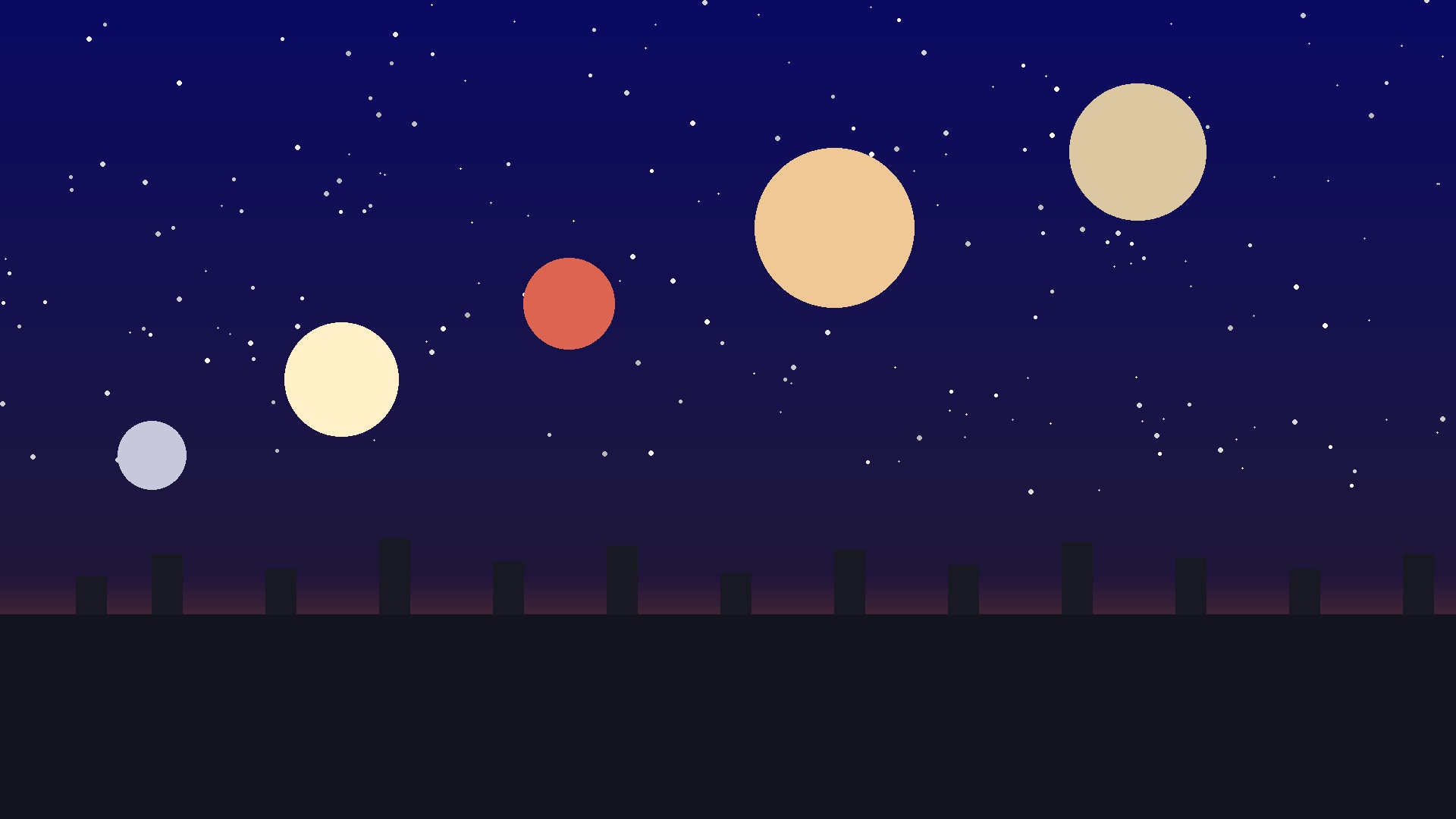
Six planets are lining up along the ecliptic before sunrise on August 13, 2026, in a rare cosmic event visible from India and much of the world. Mercury, Venus, Mars, Jupiter, and Saturn — along with Neptune — will appear roughly along the same arc in the pre-dawn sky, creating what astronomers call a planetary parade.
This alignment comes amid an already exciting skywatching window that includes a total solar eclipse and the peak of the Perseid meteor shower, making August 2026 one of the most eventful months for stargazers in recent memory.
Which Planets Can You See and Where Should You Look?
Here’s what to look for in the eastern sky before sunrise:
- Jupiter — The brightest object in the pre-dawn sky, impossible to miss. Look low in the east.
- Venus — Brilliant and white, positioned higher than Jupiter. Often called the “morning star.”
- Mars — Distinctive reddish glow, visible between Jupiter and Venus.
- Saturn — Yellowish-white, visible to the naked eye though dimmer than Jupiter or Venus.
- Mercury — The trickiest to spot. It sits very close to the horizon and is best seen in the last 20 minutes before sunrise.
All five naked-eye planets will appear roughly along the same diagonal line stretching from the eastern horizon upward. The best viewing window is between 4:30 AM and 5:30 AM IST, depending on your location in India.
When and How to Watch the Planetary Alignment?
The optimal viewing time is roughly 30 to 60 minutes before local sunrise. On August 13, sunrise across most of India falls between 5:45 AM and 6:15 AM IST, which means you should be outside and looking east by 4:45 AM to 5:15 AM.
Here are practical tips for the best experience:
- Find a location with a clear, unobstructed view of the eastern horizon — open fields, terraces, or hilltops work best.
- Avoid areas with heavy light pollution. Even suburban areas with some tree cover can reduce visibility significantly.
- Let your eyes adjust to the darkness for at least 10 minutes before scanning the sky.
- No telescope is needed for Jupiter, Venus, Mars, or Saturn. Mercury may benefit from binoculars.
- Check your local weather — cloud cover will block the view entirely.
How Rare Is a Six-Planet Alignment?
Planetary alignments of this scale are genuinely uncommon. While individual planets regularly pass near each other in the sky (conjunctions), having five or more visible planets clustered along the ecliptic at the same time happens only a few times per decade.
The last comparable alignment occurred in June 2022, when five planets (Mercury, Venus, Mars, Jupiter, and Saturn) were visible simultaneously before dawn. The addition of a sixth body makes today’s event rarer still.
It’s worth noting that these planets are not physically aligned in space — they only appear to form a line from Earth’s perspective because they all orbit roughly in the same flat plane around the Sun.
Why Is August 2026 Such a Big Month for Skywatching?
August 2026 has been called one of the most exciting months for astronomy enthusiasts in years. Here’s what’s happened or is happening:
- Perseid Meteor Shower — Peaked around August 12-13, with up to 100 meteors per hour at its best.
- Total Solar Eclipse — A total solar eclipse was visible from parts of the world earlier this month.
- Six-Planet Alignment — Today’s event caps off an extraordinary run of celestial activity.
The combination of these three events in a single month is what makes August 2026 stand out. Skywatchers who caught the Perseids at their peak last night can transition directly to this morning’s planetary parade.
Will the Weather in India Allow Viewing?
Weather conditions vary across India on August 13. The monsoon is active in much of western and central India, which may create cloud cover in cities like Mumbai, Pune, and parts of Gujarat. Eastern and southern India — including Chennai, Kolkata, and Hyderabad — may have clearer skies, though局部 cloud cover is possible in any region during monsoon season.
Check your local weather forecast early this morning. Even partial clearings can offer brief windows to catch the brighter planets, especially Jupiter and Venus, which are visible even through thin cloud.
Frequently Asked Questions (FAQs)
Q: Can I see the six-planet alignment with naked eyes?
A: Yes — five of the six planets (Mercury, Venus, Mars, Jupiter, Saturn) are visible to the naked eye. Neptune requires a telescope or strong binoculars. Jupiter and Venus will be the easiest to spot.
Q: What time should I wake up to see the alignment?
A: Plan to be outside by 4:45 AM to 5:15 AM IST. The best viewing window is 30-60 minutes before sunrise. The planets will be visible until they are washed out by daylight around 6:00-6:15 AM.
Q: Which direction should I face?
A: Face east. The planets will appear along the eastern sky, stretching from low on the horizon upward. Jupiter will be the brightest and easiest to find first.
Q: When was the last time this many planets aligned?
A: A five-planet alignment was visible in June 2022. Alignments of six or more planets are rarer, typically occurring once every few decades.
Q: Does this alignment affect Earth in any way?
A: No. Planetary alignments have no measurable gravitational, electromagnetic, or other physical effect on Earth. They are purely visual coincidences caused by the geometry of planetary orbits. Claims about astrological or supernatural effects are not supported by science.
What Happens After Today?
After August 13, the planets will gradually drift apart in the sky as they continue their orbits at different speeds. Mercury, being closest to the Sun, will disappear into the glare within days. The window for viewing this alignment is strictly today and possibly tomorrow morning at the latest.
If you miss it today, the next comparable multi-planet alignment visible from India is not expected until 2028 or later.
Sources: India Today, Indian Express, astronomical data from planetary ephemeris calculations

